

Mysteries of Hermetic Theory: Origins, Principles, and Influence
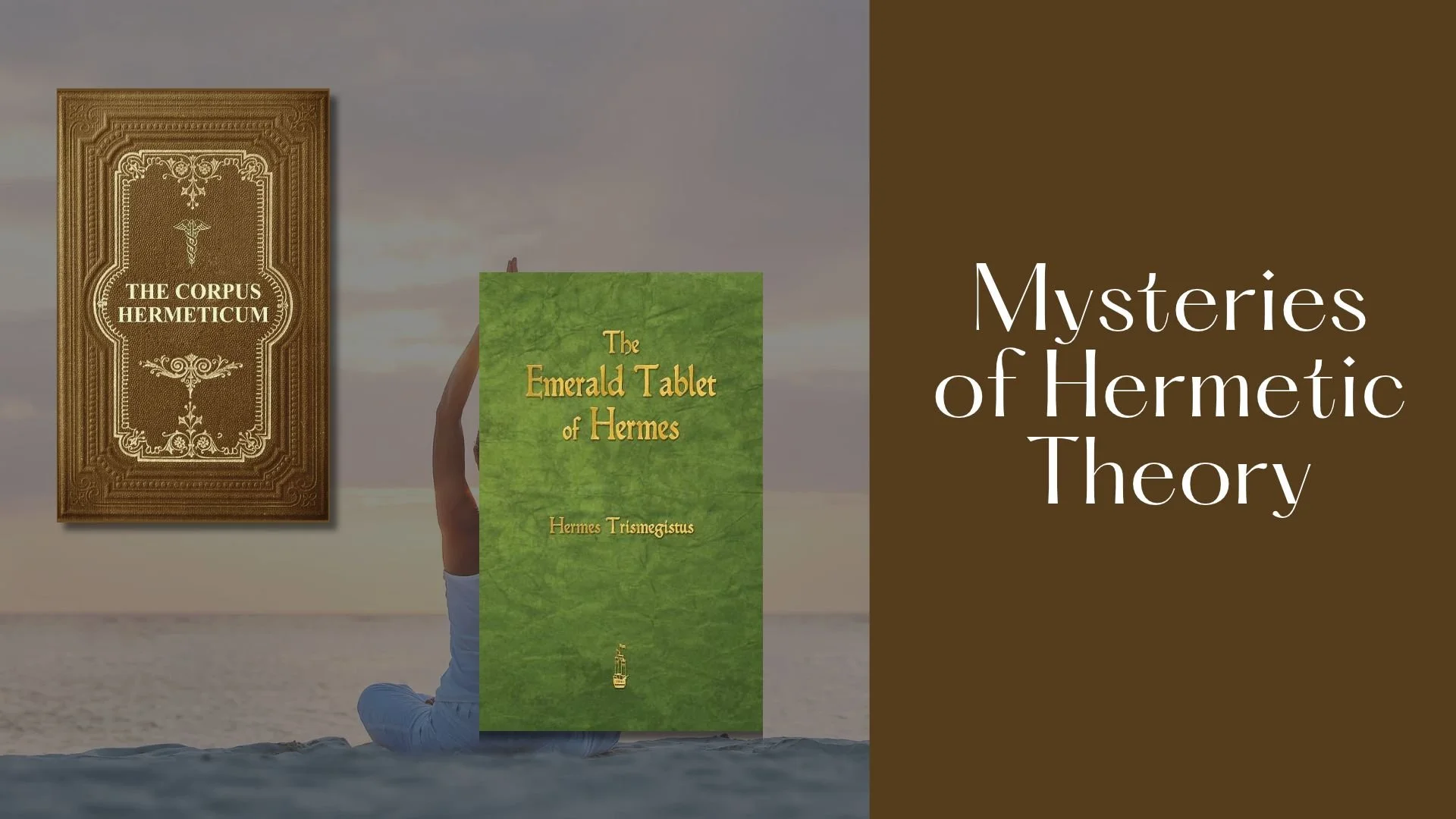
Hermeticism, a philosophical and esoteric tradition rooted in ancient wisdom, has captivated seekers of knowledge for centuries. Often regarded as the foundation of Western esotericism, Hermetic theory combines philosophy, science, spirituality, and mysticism into a cohesive framework. Its influence spans disciplines, from alchemy and astrology to Renaissance thought and modern spirituality.
The Origins of Hermetic Theory
Hermeticism derives its name from Hermes Trismegistus, a mythical figure believed to be a synthesis of the Greek god Hermes and the Egyptian god Thoth. Known as the "thrice-great," Hermes Trismegistus was said to possess unparalleled wisdom and insight into the divine workings of the universe. The writings attributed to him, collectively known as the Hermetica, form the foundation of Hermetic theory.
The Hermetica includes texts such as the Corpus Hermeticum and the Emerald Tablet, both of which emerged during the Hellenistic period in Egypt (circa 2nd-3rd centuries CE). These works offer a blend of Greek philosophy, Egyptian theology, and esoteric teachings, making Hermeticism a bridge between ancient cultures and belief systems.
Core Principles of Hermeticism
Hermetic theory is guided by a series of principles that explore the nature of reality, the cosmos, and the human soul. These principles, often summarized in the Kybalion, include:
1. The Principle of Mentalism: "The All is Mind." This asserts that the universe is a mental construct, and everything originates from the Divine Mind.
2. The Principle of Correspondence: "As above, so below; as below, so above." This highlights the interconnectedness of the macrocosm (universe) and microcosm (individual).
3. The Principle of Vibration: Everything is in constant motion, and varying vibrations define the nature of all things.
4. The Principle of Polarity: Duality exists in all things, with opposites interconnected and interdependent.
6. The Principle of Rhythm: All events follow a natural rhythm and cycle, including life, emotions, and cosmic phenomena.
7. The Principle of Cause and Effect: Every action has a corresponding reaction, emphasizing universal balance and order.
8. The Principle of Gender: Masculine and feminine energies exist in all aspects of life, contributing to creation and balance.
Hermeticism’s Historical Impact
Throughout history, Hermetic theory has served as a foundation for various intellectual and spiritual movements. In the Middle Ages, Hermetic texts influenced alchemists seeking the philosopher's stone, a metaphor for spiritual enlightenment. During the Renaissance, Hermeticism played a pivotal role in the revival of classical knowledge, inspiring thinkers such as Marsilio Ficino and Giovanni Pico della Mirandola.
The tradition’s influence persisted into the Enlightenment and beyond, shaping the work of figures like Sir Isaac Newton, who studied alchemy alongside his groundbreaking scientific endeavors. In modern times, Hermetic principles have found resonance in New Thought movements, esoteric orders such as the Hermetic Order of the Golden Dawn, and contemporary spiritual practices.
The Enduring Relevance of Hermetic Theory
Hermeticism continues to intrigue those seeking a deeper understanding of the universe and their place within it. Its emphasis on self-knowledge, spiritual growth, and the unity of all existence offers timeless wisdom in an era of fragmentation.
As an ever-evolving tradition, Hermeticism invites exploration and adaptation, encouraging individuals to seek truth, embrace balance, and unlock their innate potential. Whether through the study of ancient texts or the application of its principles in daily life, Hermetic theory offers a profound path toward self-discovery and universal harmony.
By understanding Hermeticism’s rich history and enduring philosophy, we gain access to a treasure trove of wisdom that transcends time, bridging the ancient and the modern in a quest for deeper meaning.