

Traditional Chinese Medicine: Theory and History
Traditional Chinese Medicine (TCM) is a profound and ancient system of healing that has been practiced for over 2,500 years. Rooted in the philosophy of harmony and balance, TCM approaches health as an interplay between the body, mind, and environment. Its practices, including acupuncture, herbal medicine, and qi gong, have not only stood the test of time but are also increasingly integrated into modern healthcare systems worldwide.
The Historical Foundations of TCM
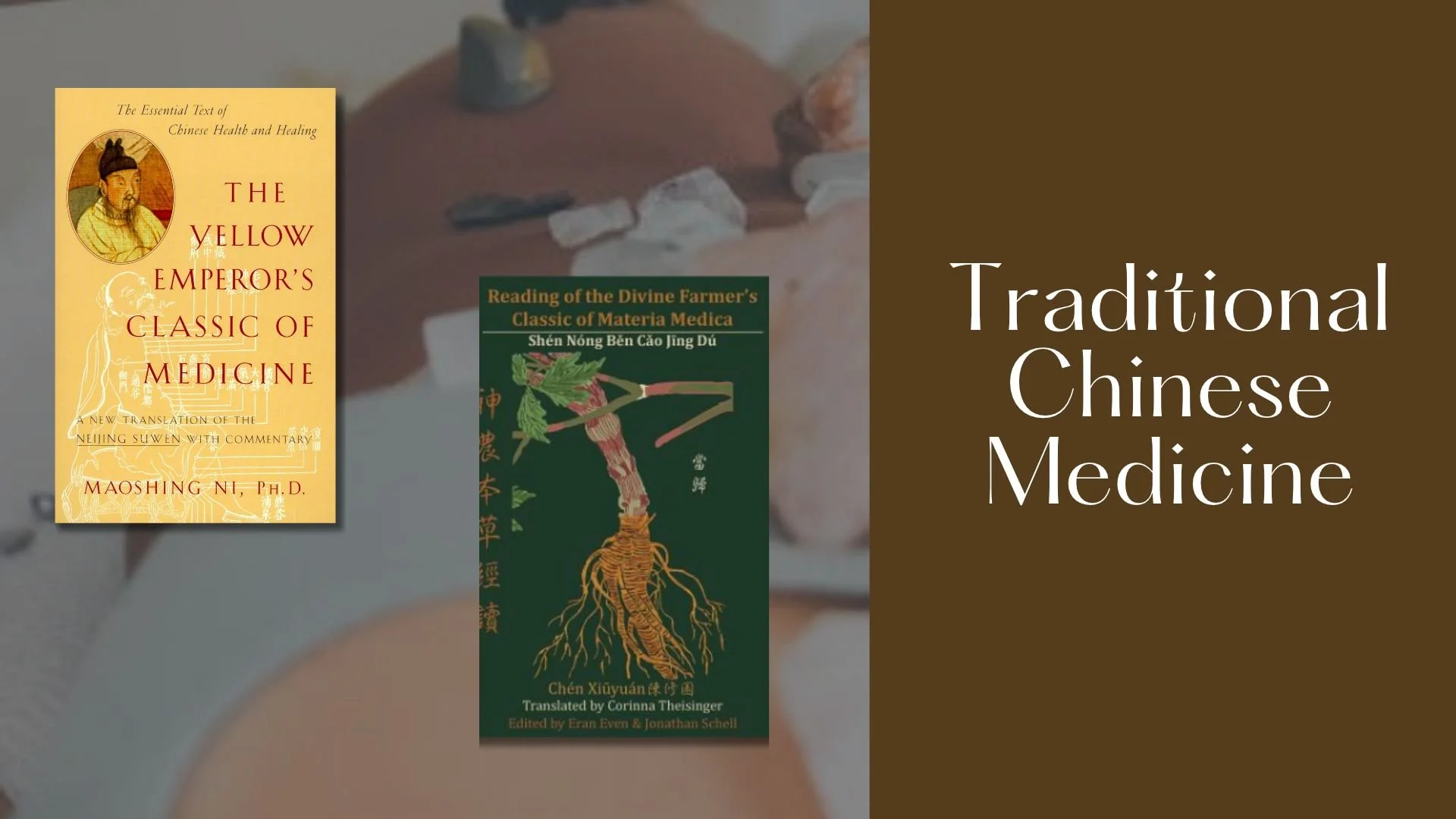
The origins of TCM are deeply intertwined with Chinese philosophy and culture. Its development is attributed to observations of nature, human anatomy, and life’s cyclical rhythms. Early Chinese texts, such as the Huangdi Neijing (The Yellow Emperor's Inner Canon), written around 200 BCE, serve as foundational documents that explore medical theories, diagnostic methods, and treatment principles.
Another seminal text, the Shennong Bencao Jing (The Divine Farmer’s Materia Medica), compiles knowledge of medicinal herbs, emphasizing their effects on the body’s energy and balance. These works laid the groundwork for TCM's principles, which have been refined and expanded upon over centuries by generations of practitioners.
Core Principles of TCM
At the heart of TCM is the belief in the interconnectedness of the body, mind, and environment. It seeks to maintain health by balancing two fundamental forces:
1. Yin and Yang
Yin and Yang represent opposing yet complementary forces that exist in all things. Yin is associated with coolness, darkness, and passivity, while Yang is linked to warmth, brightness, and activity. Health is achieved when these energies are balanced, and disease occurs when this equilibrium is disrupted.
2. Qi (Vital Energy)
Qi is the vital life force that flows through the body along pathways called meridians. When Qi flows freely, the body is in harmony; when it is blocked or stagnant, illness can arise. TCM therapies aim to restore the smooth flow of Qi.
3. The Five Elements (Wu Xing)
The Five Elements—Wood, Fire, Earth, Metal, and Water—symbolize phases of energy and their relationships within the body and the natural world. Each element is associated with specific organs, seasons, and emotions, guiding diagnosis and treatment.
Diagnostic and Therapeutic Approaches
TCM employs a holistic approach to diagnosis, emphasizing individual constitution and lifestyle. Practitioners use four primary diagnostic methods:
Observation: Examining the tongue, skin, and posture.
Listening and Smelling: Noting voice tone, breath, and odor.
Inquiry: Asking about symptoms, lifestyle, and emotional state.
Palpation: Feeling the pulse and areas of discomfort.
Treatment methods include:
Acupuncture: Insertion of thin needles at specific points along meridians to restore Qi balance.
Herbal Medicine: Custom formulations of plants, minerals, and sometimes animal products to address imbalances.
Tui Na (Therapeutic Massage): Manual manipulation to relieve pain and improve circulation.
Qi Gong and Tai Chi: Meditative exercises to cultivate and balance Qi.
TCM’s Journey Through History
During its early development, TCM evolved alongside other Chinese intellectual traditions, particularly Confucianism, Daoism, and Buddhism. These philosophies shaped its ethical framework and holistic outlook.
In the 20th century, TCM faced challenges as Western medicine gained prominence in China. However, it was preserved and institutionalized under the People’s Republic of China, which established schools and hospitals dedicated to TCM. Today, TCM is recognized globally and increasingly incorporated into integrative medicine practices.
The Relevance of TCM Today
In a world marked by chronic stress, environmental changes, and lifestyle-related illnesses, TCM offers valuable insights. Its focus on prevention, personalized care, and treating root causes rather than symptoms resonates with modern approaches to wellness.
Research continues to explore the efficacy of TCM therapies, with acupuncture gaining significant scientific validation for conditions like chronic pain, migraines, and anxiety. Herbal remedies are also being studied for their potential in treating various illnesses, from digestive disorders to hormonal imbalances.
Traditional Chinese Medicine represents a holistic and time-tested approach to health that transcends the physical and integrates the emotional and spiritual aspects of well-being. Its emphasis on harmony and balance, along with its adaptability to modern healthcare, ensures its enduring relevance in a rapidly changing world.
Whether as a complement to Western medicine or a standalone practice, TCM continues to inspire and empower individuals on their journey toward optimal health.